Biodiversity & wildlife
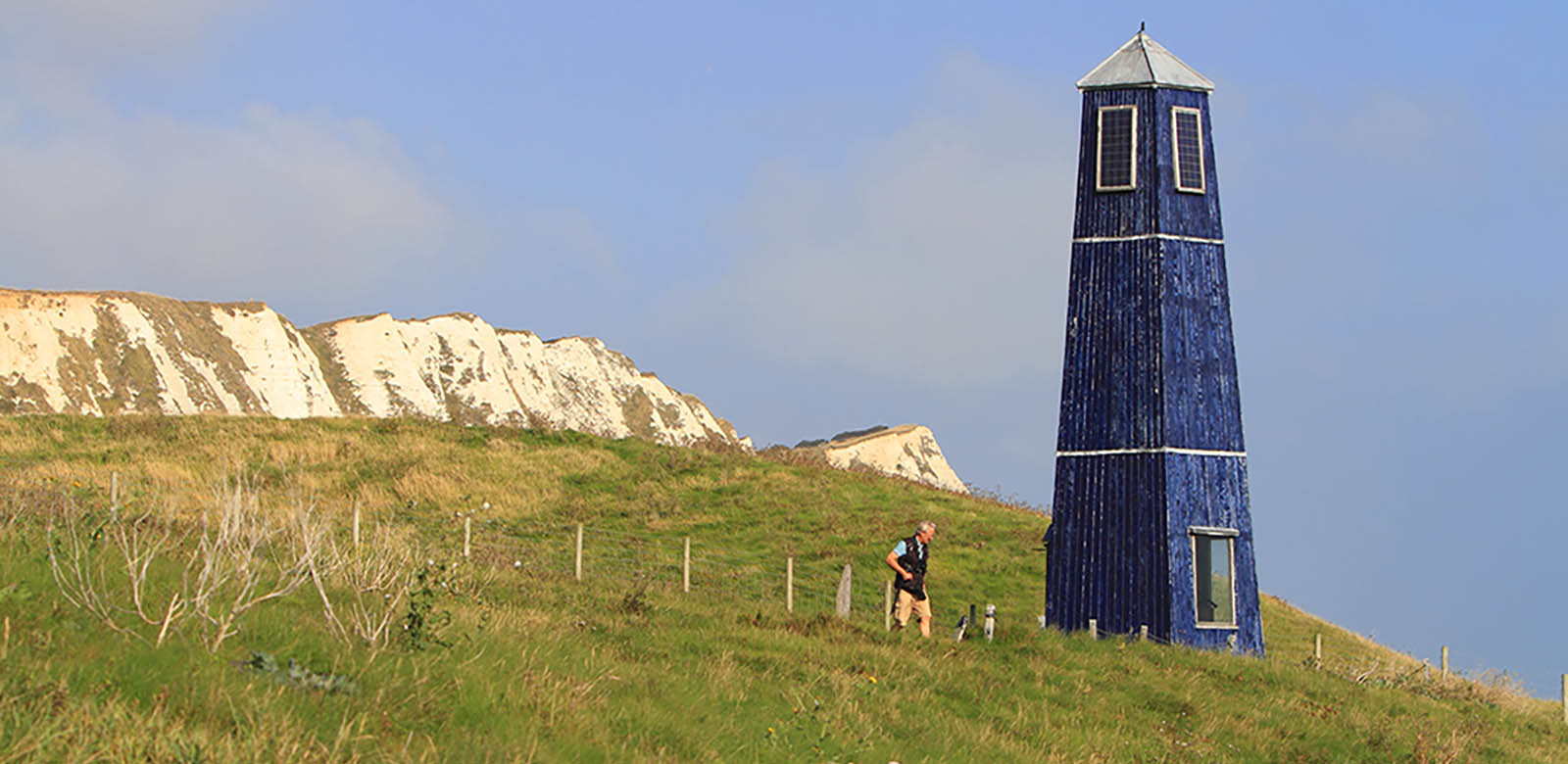
Samphire Hoe, a beacon for biodiversity
At Samphire Hoe, biodiversity is about the variety of all kind of life. It includes all species of animals and plants, and the natural systems that support them. Biodiversity matters because it supports the vital benefits we get from the natural environment. It contributes to our economy, our health and well-being, and it enriches the lives of all its stakeholders.
Samphire Hoe, which has a special setting as it was reclaimed from the sea during the digging of the Channel Tunnel, is striving to achieve the following:
- To develop and enhance nature, wildlife and cultural heritage in a sustainable way
- To provide a healthy, safe and secure nature reserve
- To manage and maintain the Hoe to the highest standards
- To raise awareness on biodiversity and wildlife to the public and in particular school children
- To work in partnership with all stakeholders, notably the local community.
The variety of the flora and fauna is admired by scientists from many countries. Eurotunnel and its group Getlink are committed to maintaining and preserving this remarkable space in partnership with the White Cliffs Countryside Partnership (WCCP).
Each year, this 30-hectare protected site welcomes more than 100,000 visitors and contributes to raising stakeholder’s awareness about the challenge of preserving biodiversity.
Carbon dioxide is the main greenhouse gas linked to human activities. Earth’s ecosystems mitigate these emissions by capturing more than one-third of them through photosynthesis. Organic matter in the soil is the most important reservoir of carbon, ahead of plants. The world’s first metre of soils stores between 1,500 and 2,400 billion tonnes of organic carbon. This reservoir is high in the forests and grasslands.
By helping to preserve Samphire Hoe’s grassland, this remarkably rich biological eco-system, and by valuing it with visitors and its stakeholders, the Getlink group is committed not only to protecting biodiversity and raising awareness of these issues but also in the fight against climate change.

Wildlife overview
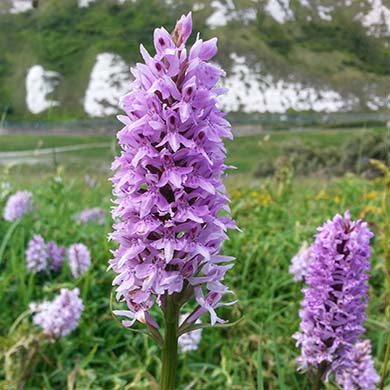
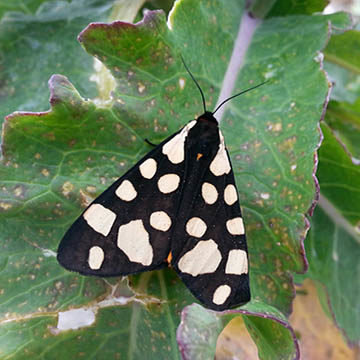
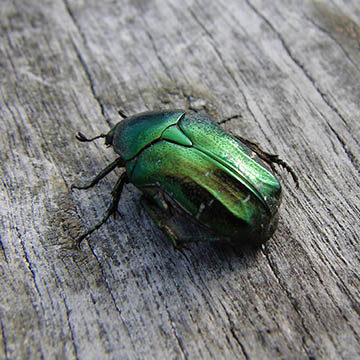
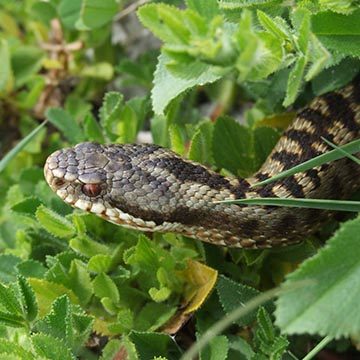
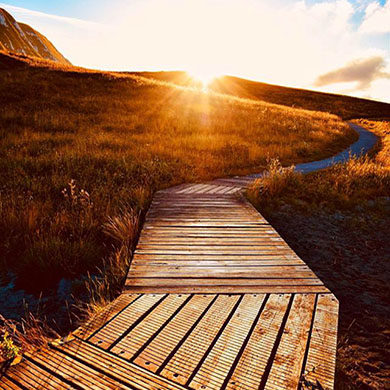
Samphire Hoe provides a large variety of habitats to many species of wildlife and is surrounded by the sea on one side and cliffs on the other. You can discover and enjoy a wide range of wildlife all year round. A network of footpaths allows visitors to walk around the Hoe and explore the wildlife which changes everyday.

species of plants

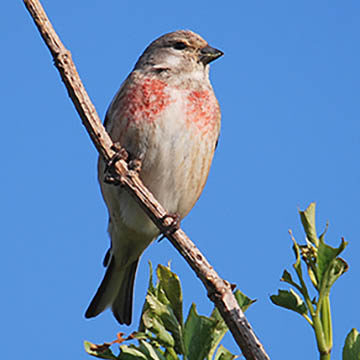
species of birds

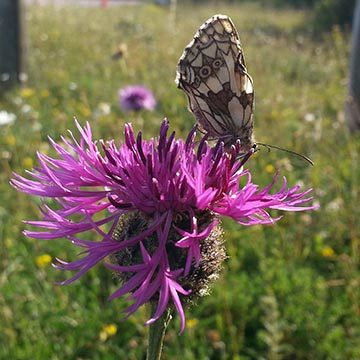
species of butterflies

species of moths

species of dragonflies and damselflies

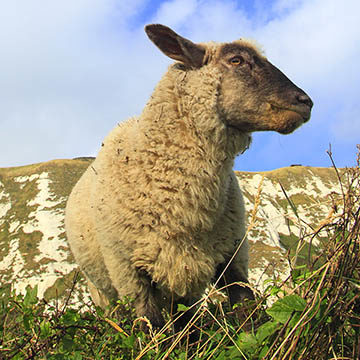
sheep and cows